Terpene Profiles and the Entourage Effect: Implications for Medical Cannabis Dosing in Australia

The increasing availability of medicinal cannabis in Australia, strictly under prescription and dispensed through pharmacies, has brought into sharper focus the complexities of its therapeutic application. Beyond the well-known cannabinoids such as THC and CBD, a broader spectrum of phytochemicals, particularly terpenes, are gaining recognition for their potential contribution to the plant’s overall effects. Understanding how these compounds interact, a phenomenon often referred to as the “entourage effect,” is becoming increasingly relevant for clinicians and patients working through the nuanced challenges of medical cannabis dosing within the Australian regulatory framework. This understanding moves beyond a simplistic cannabinoid-centric view, suggesting that the precise composition of a cannabis product, including its terpene profile, could significantly influence its efficacy and patient experience.
The Chemical Complexity of Cannabis
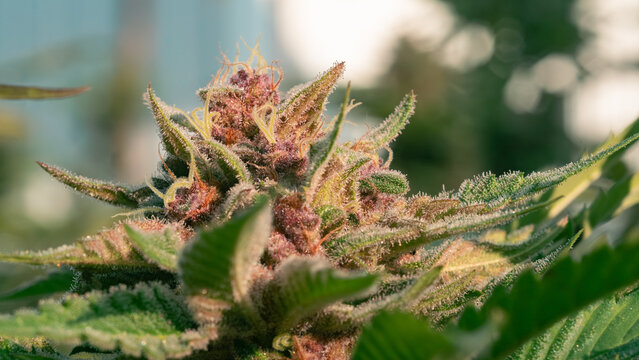
Cannabis sativa is a remarkably complex plant, a biochemical factory producing over 500 identified chemical compounds. While cannabinoids like delta-9-tetrahydrocannabinol (THC) and cannabidiol (CBD) have historically been the primary focus of research due to their direct interaction with the endocannabinoid system, deeper investigation reveals that other constituents have equally important, albeit often subtler, roles. Among these, terpenes stand out as a diverse class of organic compounds, not only responsible for the characteristic aroma and flavour of cannabis, from earthy to floral, citrusy to spicy, but also present in significant quantities, often comprising 1-5% of the plant’s dry weight. These volatile aromatic compounds are not unique to cannabis; they are ubiquitous in nature, contributing to the invigorating scent of pine trees, the zesty aroma of citrus fruits, and the calming fragrance of lavender, among countless other plants and spices. Their presence in such abundance within the cannabis plant strongly suggests a more profound purpose than mere olfactory appeal.
The individual therapeutic properties attributed to specific terpenes are a burgeoning area of research, moving rapidly from speculative hypothesis to empirical investigation. For instance, myrcene, a monoterpene found in hops and mangoes, is often associated with sedative and muscle-relaxant effects, potentially contributing to the “couch-lock” sensation of some indica strains. Pinene, as its name suggests, is abundant in pine needles and is being investigated for its potential to promote alertness, improve memory, and act as a bronchodilator. Limonene, a cyclic terpene found in citrus rinds, is frequently linked to mood elevation, stress relief, and even anti-fungal properties. Linalool, common in lavender, is renowned for its anxiolytic and sedative qualities. However, these effects are rarely experienced in isolation within the complex matrix of a whole-plant cannabis extract. The synergy between these numerous compounds, and crucially, their interplay with cannabinoids, forms the fundamental basis of the entourage effect hypothesis, suggesting a collective action far greater than the sum of their individual parts.
“The entourage effect posits that cannabis compounds work better together than in isolation, influencing everything from absorption to receptor binding and overall therapeutic outcomes, creating a symphony of therapeutic action.”
Understanding the Entourage Effect
The concept of the entourage effect, first coined by Raphael Mechoulam and Shimon Ben-Shabat in 1999, posits that the various compounds in cannabis do not act independently but rather work synergistically to modulate the plant’s overall pharmacological impact. This is not merely an additive effect, where two compounds simply combine their individual benefits. Instead, it describes a complex interplay where compounds can profoundly enhance, mitigate, or subtly alter the actions of others, creating a nuanced therapeutic profile. For example, some research indicates that certain terpenes, such as beta-caryophyllene, might influence the permeability of the blood-brain barrier, potentially affecting how cannabinoids like THC and CBD reach their target receptors in the central nervous system, thereby enhancing their bioavailability or modifying their onset and duration of action. Other studies explore how terpenes might directly engage with cannabinoid receptors (CB1 and CB2) or other neurotransmitter systems, such as serotonin or dopamine pathways, thereby modifying the therapeutic actions of THC and CBD, potentially reducing unwanted side effects while amplifying desired ones. For instance, some terpenes are thought to mitigate the anxiety-inducing potential of high THC doses.
This complex, multi-faceted interaction contrasts sharply with the reductionist approach of using isolated cannabinoid compounds. While purified THC (such as in nabiximols, a pharmaceutical product available in Australia) and purified CBD (like Epidiolex, an anti-seizure medication) have established therapeutic uses and are valuable tools in specific clinical contexts, the entourage effect suggests that whole-plant extracts, with their rich array of terpenes, minor cannabinoids (like CBG, CBN, CBC), and flavonoids, might offer a broader or more nuanced therapeutic profile for some patients. This is a critical consideration for prescribers in Australia, where both meticulously formulated whole-plant extracts and isolated cannabinoid products are available under the Special Access Scheme (SAS) and Authorised Prescriber (AP) pathways. The choice between these options often hinges on the prescriber’s understanding of this synergistic principle and the patient’s specific condition and response.
Personalised Treatment Through Terpene Profiles
The practical implications of the entourage effect for medical cannabis dosing in Australia are profoundly significant, moving beyond a “one-size-fits-all” approach. For prescribers, understanding the terpene profile of a particular cannabis product could become an increasingly valuable tool in tailoring highly individualised treatment plans. Patients often report vastly varying responses to different cannabis strains or products, even those with seemingly similar THC/CBD ratios. These anecdotal observations, historically dismissed as subjective, are now gaining scientific credence and may be partly explained by the differing terpene compositions, which can influence subjective effects such as sedation, stimulation, mood elevation, or targeted pain relief.
Consider a patient seeking relief from chronic neuropathic pain coupled with insomnia. A product high in myrcene and linalool, known for their sedative and anti-inflammatory properties, might offer more pronounced relief, potentially aiding sleep and reducing pain perception. Conversely, another patient experiencing chronic fatigue alongside their pain might benefit more from a product rich in limonene and pinene, which are associated with mood elevation, increased alertness, and anti-inflammatory effects, potentially providing pain relief without excessive drowsiness. Documenting and rigorously correlating these specific terpene profiles with detailed patient-reported outcomes, including efficacy, side effects, and overall quality of life, could lead to the development of far more precise and personalised dosing strategies. This approach would empower clinicians to select products based on a comprehensive phytochemical fingerprint rather than relying solely on cannabinoid percentages, ushering in an era of truly precision medicine within the Australian medical cannabis framework.
Research and Standardisation Challenges
Despite the growing scientific interest and anecdotal evidence supporting the entourage effect, integrating terpene profiles into routine medical cannabis dosing presents several formidable challenges, particularly within Australia’s tightly regulated environment. Firstly, the standardisation of cannabis products is inherently complex. The terpene content of a cannabis plant can vary significantly due to a multitude of factors, including genetics (different cultivars naturally produce different terpene ratios), environmental growing conditions (soil composition, light exposure, temperature, humidity), harvesting techniques (time of harvest, drying methods), and subsequent processing methods (extraction techniques, curing). Ensuring consistent terpene profiles across different batches of the same product is therefore crucial for reliable therapeutic outcomes and for building a robust evidence base. Without this consistency, comparing research findings or replicating patient responses becomes exceptionally difficult.
Secondly, robust clinical research specifically investigating the entourage effect and the therapeutic roles of individual terpenes in human subjects is still in its nascent stages. Much of the current understanding is based on in-vitro studies (test tube experiments), animal models, or a wealth of compelling anecdotal evidence from patients and clinicians. While Australian researchers and clinicians are actively contributing to this global effort, more high-quality, placebo-controlled, double-blind clinical trials are urgently needed to provide definitive, evidence-based data that can confidently inform clinical practice, develop precise dosing guidelines, and substantiate the claims of the entourage effect. Funding for such complex, multi-compound research remains a significant hurdle.
“The inherent variability in terpene content across cannabis products underscores the critical need for stringent quality control measures and comprehensive, transparent product labelling to facilitate truly informed prescribing decisions by Australian clinicians.”

Future Prescribing Practices in Australia
For Australian medical cannabis prescribers, the emerging science of terpene profiles and the entourage effect adds another layer of complexity and sophistication to an already intricate decision-making process. While the Therapeutic Goods Administration’s (TGA) Special Access Scheme (SAS) and Authorised Prescriber (AP) pathways ensure regulated and monitored access to medical cannabis, the nuanced chemical composition of these products demands increasingly careful consideration. Prescribers are increasingly looking beyond simplistic THC/CBD ratios, recognising their limitations, and are now actively seeking detailed Certificates of Analysis (CoAs) from product manufacturers that include not just cannabinoid concentrations but also comprehensive terpene concentrations and profiles.
This shift signifies a move towards a more holistic and patient-centric approach to prescribing, where the choice of product is not solely based on a few cannabinoid percentages but also on the full phytochemical fingerprint of the plant extract. As patient access continues to grow across Australia, and the range of available products diversifies rapidly, understanding and leveraging the entourage effect will be paramount for optimising therapeutic outcomes and ensuring that patients receive the most appropriate, effective, and well-tolerated medical cannabis treatment for their individual needs within the Australian healthcare system.
The ongoing scientific exploration, fuelled by both clinical observation and rigorous research, promises to profoundly refine our understanding of medical cannabis and significantly enhance its therapeutic potential for countless Australians seeking relief and improved quality of life. The future of medical cannabis in Australia will undoubtedly be one of increasingly precise, personalised, and terpene-informed prescribing practices that acknowledge the full complexity of this remarkable plant and harness its complete therapeutic arsenal for optimal patient outcomes.