Impact of Australian Climate on Cannabis Cultivation: Implications for Product Consistency and Quality
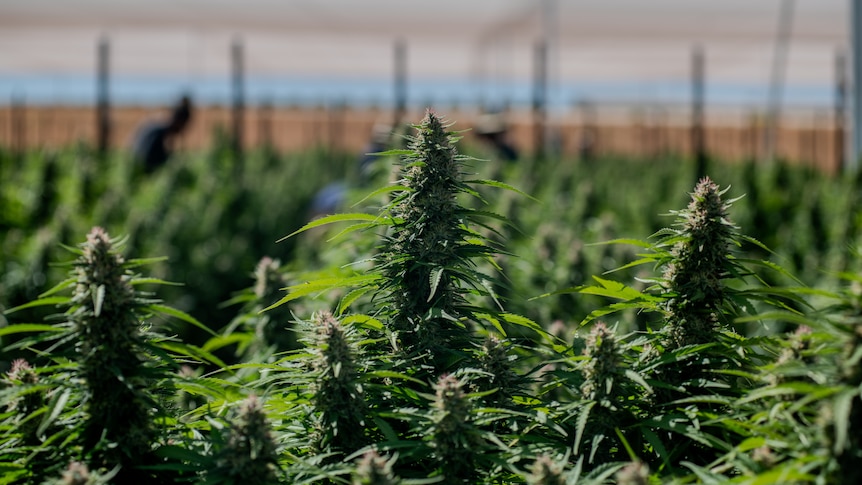
Australia’s diverse and often extreme climate presents both unique opportunities and significant challenges for the cultivation of medicinal cannabis. As the legal framework for medicinal cannabis matures, understanding how environmental factors influence plant growth, cannabinoid profiles, and terpene expression becomes essential. This understanding is critical for ensuring product consistency and quality, which are non-negotiable for therapeutic applications, and directly impact patient outcomes. The unique interplay of vast geographical variations, from the sun-drenched tropics to the cooler, more temperate south, and the arid heartland, necessitates highly adaptive and technologically advanced cultivation strategies. This examination explores the intricate relationship between Australia’s climate and medicinal cannabis cultivation, revealing how growers are managing these complexities to meet stringent quality and regulatory standards.
Climatic Variability and Cultivation Strategies Across a Continent
Australia spans multiple climate zones, from the monsoonal tropics of the north to the Mediterranean and temperate zones of the south, and the vast, arid interiors. This immense geographical breadth means that cannabis cultivation operations, whether indoor, greenhouse, or outdoor, must contend with vastly different conditions, each presenting its own set of horticultural hurdles and opportunities. Northern regions, such as parts of Queensland and the Northern Territory, experience high humidity, intense solar radiation, and torrential rainfall during the wet season. These conditions pose significant risks of fungal pathogens like powdery mildew and botrytis, as well as heat stress, which can lead to reduced yields and degradation of sensitive cannabinoids and terpenes. Southern areas, including Victoria and Tasmania, face cooler temperatures and shorter daylight hours in winter, potentially impacting growth cycles, biomass yield, and the overall vigor of the plants. The dramatic diurnal temperature swings common in many parts of the continent, particularly inland, further complicate environmental management.
The choice of cultivation environment is often dictated by these stark climatic realities and the economic imperatives of producing high-quality medicinal products. Indoor facilities offer the highest degree of environmental control, providing a completely enclosed ecosystem where light, temperature, humidity, and CO2 levels can be precisely manipulated. This mitigates the impact of external weather fluctuations entirely, offering unparalleled consistency in product quality. However, this level of control comes at a significant operational cost, driven by the substantial energy demands for artificial lighting (often high-intensity LEDs or HPS lamps), sophisticated HVAC systems for temperature regulation, and dehumidifiers for humidity control. These energy costs represent a major consideration for growers aiming for sustainable and economically viable operations.
Greenhouse operations present a compelling hybrid solution, leveraging natural sunlight to reduce energy consumption, particularly for lighting. Modern greenhouses in Australia are sophisticated structures featuring automated shading systems, evaporative cooling pads, roof vents, and sometimes even supplemental lighting. These advanced environmental management systems are essential to address Australia’s often volatile weather patterns, which can include sudden temperature swings, intense hailstorms, and strong winds. A sudden heatwave in a southern region could necessitate rapid deployment of shading and cooling, while a cold snap might require activation of heating systems. The challenge lies in balancing the benefits of natural light with the need to protect plants from extreme weather events and maintain optimal growing conditions.
Outdoor cultivation, while the most cost-effective in terms of infrastructure and energy, is largely restricted to regions with exceptionally stable and favorable climates, or for specific cultivars that are highly resilient to environmental fluctuations. Even in these seemingly ideal locations, growers must contend with unpredictable weather events, pest pressures, and the lack of precise control over critical environmental parameters. The inherent variability of outdoor growing makes it challenging to achieve the consistent cannabinoid and terpene profiles required for pharmaceutical-grade medicinal cannabis, pushing most Australian producers towards more controlled environments.
Environmental Stressors and the Intricate Dance of Phytochemical Profiles
The environment is not merely a backdrop for cannabis growth; it actively shapes the plant’s intricate biochemistry. Environmental stressors, such as temperature extremes, fluctuating humidity, and varying levels of UV radiation, significantly influence the biosynthesis of cannabinoids and terpenes, the very compounds that give cannabis its therapeutic properties and distinctive aroma. Some research suggests that moderate levels of UV-B radiation, often found in sun-drenched Australian regions, can act as a natural stressor, increasing the production of THC and other cannabinoids as a protective mechanism. This is akin to the plant’s sunblock, defending its delicate tissues from harmful radiation. Cultivators in controlled environments can even strategically use supplemental UV-B lighting to enhance cannabinoid synthesis, but this requires precise calibration to avoid plant damage.
Excessive heat stress, a common challenge in many Australian climates, can have detrimental effects. Temperatures consistently above the optimal range (typically 20-28°C) can degrade cannabinoids like THC into CBN (cannabinol), reducing potency. High heat also accelerates the volatilization and degradation of delicate terpenes, leading to a significant reduction in the plant’s aromatic profile and potentially altering its therapeutic effects. This is why meticulous temperature control is paramount in Australian cultivation facilities, often involving advanced cooling and ventilation systems, sometimes even utilizing geothermal or evaporative cooling technologies to manage internal temperatures efficiently.
Water availability and quality are also critical, particularly on a continent as arid as Australia. The nation’s propensity for prolonged droughts in many regions necessitates incredibly careful water management strategies. This includes the implementation of advanced irrigation techniques, such as drip irrigation or hydroponic/aeroponic systems, which significantly reduce water usage compared to traditional methods. Water recycling and rainwater harvesting are also becoming increasingly common practices, not only for sustainability but also to ensure a consistent supply of high-quality water, free from contaminants that could impact plant health or product purity. The mineral content and pH of irrigation water are constantly monitored and adjusted, as these factors directly influence nutrient uptake and overall plant vigor.
Nutrient availability and soil composition, while partly controllable through sophisticated cultivation practices like fertigation (fertilizer application through irrigation), are also subject to regional variations. The inherent geology of different Australian regions can lead to varying micronutrient profiles in the soil, which, even in heavily amended growing mediums, can subtly influence the plant’s ability to produce desired secondary metabolites. The interplay of these diverse environmental factors creates a complex matrix that growers must meticulously navigate, often employing sophisticated environmental sensors, data analytics, and predictive modeling to achieve consistent product quality batch after batch.
“The inherent variability of Australia’s climate means that strict environmental controls are not merely an option but a necessity for producing medicinal cannabis products that meet the rigorous standards expected by prescribers and patients.”
Achieving Product Consistency through Controlled Environments
Given the profound therapeutic nature of medicinal cannabis, product consistency is of utmost importance, bordering on a non-negotiable requirement. Patients rely on a predictable dosage and a consistent cannabinoid and terpene profile to effectively manage their conditions, whether it’s chronic pain, epilepsy, or anxiety. This consistency is exceedingly difficult, if not impossible, to achieve reliably in outdoor cultivation settings where environmental variables are largely uncontrollable. Fluctuations in sunlight intensity, temperature, humidity, and even airborne pollutants can lead to significant batch-to-batch variation, making accurate dosing and predictable therapeutic outcomes a constant challenge.
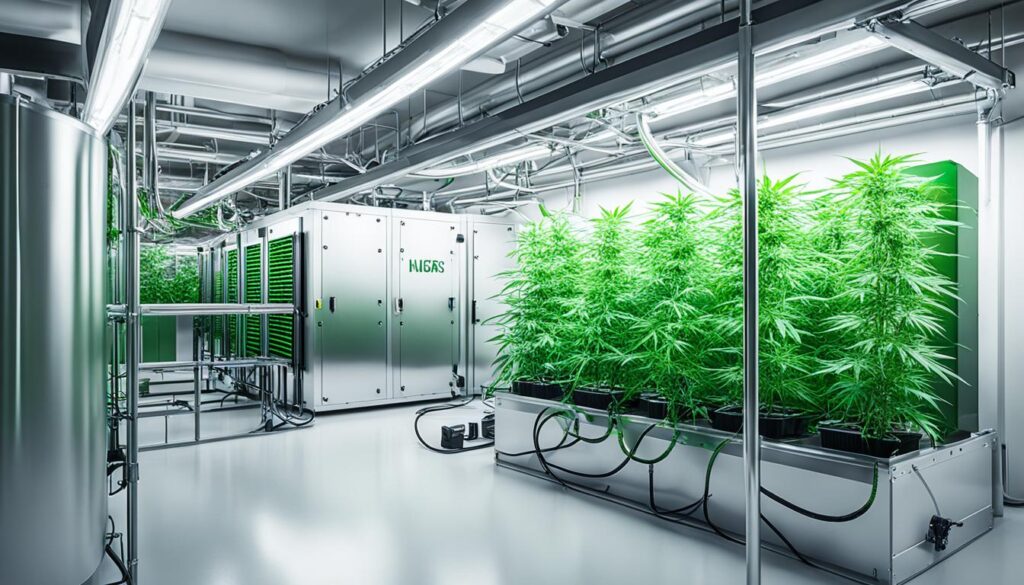
This is precisely why indoor and highly controlled greenhouse environments have become the gold standard for medicinal cannabis cultivation in Australia. These sophisticated facilities allow cultivators to precisely manage every critical environmental parameter: light cycles and intensity (often tailored to specific growth stages), temperature, humidity, CO2 levels (which can be enriched to boost photosynthesis), and nutrient delivery. Every aspect of the plant’s environment is meticulously monitored and adjusted in real-time, often through advanced automation systems and AI-driven algorithms.
Such controlled environments enable the replication of optimal growing conditions across different batches, effectively minimizing batch-to-batch variation in cannabinoid and terpene content. This level of precision is absolutely essential for pharmaceutical-grade products, as it directly supports accurate dosing instructions for prescribers and ensures predictable therapeutic effects for patients. A patient prescribed a specific dose of a high-CBD strain needs assurance that every batch they receive will contain the same percentage of CBD, with a consistent terpene entourage effect, to achieve the desired clinical outcome. Australian cultivators often invest heavily in state-of-the-art climate control systems, an array of environmental sensors (monitoring everything from substrate moisture to leaf surface temperature), and sophisticated data analytics platforms. These technologies allow them to fine-tune growing protocols, identify subtle environmental shifts, and make proactive adjustments, ensuring that each plant flourishes under ideal conditions from clone to harvest.
Regulatory Compliance and Quality Assurance
The Australian regulatory framework for medicinal cannabis, meticulously overseen by the Therapeutic Goods Administration (TGA), places an exceptionally strong emphasis on product quality, safety, and efficacy. Cultivators are not merely growing a plant; they are producing a pharmaceutical product. They must adhere to rigorous Good Manufacturing Practice (GMP) standards, which encompass every aspect of the production process, from the initial cultivation practices to post-harvest processing, extraction, formulation, and packaging. Environmental controls within cultivation facilities are not just a best practice; they are a critical, non-negotiable component of GMP compliance.
GMP requires comprehensive documentation of all cultivation parameters. This means every environmental reading—temperature, humidity, CO2 levels, light intensity, nutrient solution composition—must be meticulously recorded, analyzed, and stored. This extensive documentation enables complete traceability and accountability for every batch of medicinal cannabis produced. Should an issue arise, the entire cultivation history can be reviewed, allowing for rapid identification of root causes and implementation of corrective actions. This level of transparency is vital for patient safety and regulatory oversight. Australian medicinal cannabis producers must not only manage their climate effectively but also meticulously record and report on these management strategies, demonstrating a consistent and controlled process.
The TGA’s stringent requirements extend beyond just environmental control to encompass genetic stability of cultivars, pest and disease management without harmful pesticides, heavy metal testing, and microbial contamination screening. The commitment to quality assurance, driven by both the unique challenges of the Australian climate and the rigorous regulatory requirements, ultimately benefits patients by ensuring access to reliable, safe, and consistent medicinal products. This robust regulatory environment helps to build trust in the Australian medicinal cannabis supply chain, both domestically and internationally, positioning Australia as a leader in the production of high-quality therapeutic cannabis.
“Rigorous adherence to GMP standards, particularly concerning environmental control and quality assurance, underpins the credibility and efficacy of Australia’s medicinal cannabis supply chain.”
The Australian climate presents a formidable natural laboratory for cannabis cultivation, demanding sophisticated and adaptive approaches from licensed producers. The imperative to deliver consistent, high-quality medicinal cannabis products for Australian patients means that environmental control and meticulous cultivation practices are not just best practices, but foundational elements of the industry. As the sector continues to evolve, ongoing research into climate-resilient strains, advanced cultivation technologies (such as vertical farming and AI-driven environmental management), and sustainable practices (like water recycling and renewable energy integration) will be crucial for managing the continent’s unique environmental challenges. This continuous innovation will ensure the sustained efficacy, safety, and accessibility of medicinal cannabis therapies for patients across Australia and potentially for export markets, solidifying Australia’s position as a significant player in the global medicinal cannabis landscape.