Vaporized Cannabis Flower vs. Oral Oils: Comparative Efficacy and Patient Preference in Australia
The expanding availability of medicinal cannabis in Australia through prescription pathways has created complex decisions for patients and doctors choosing between product formats. Vaporized cannabis flower and oral cannabis oils represent two fundamentally different delivery methods, each with distinct pharmacokinetic profiles, efficacy patterns, and patient experiences. These differences shape therapeutic outcomes within Australia’s regulated medical cannabis system, requiring careful consideration of scientific evidence and practical factors that guide treatment decisions for patients and healthcare professionals.
Pharmacokinetic Differences and Onset of Action
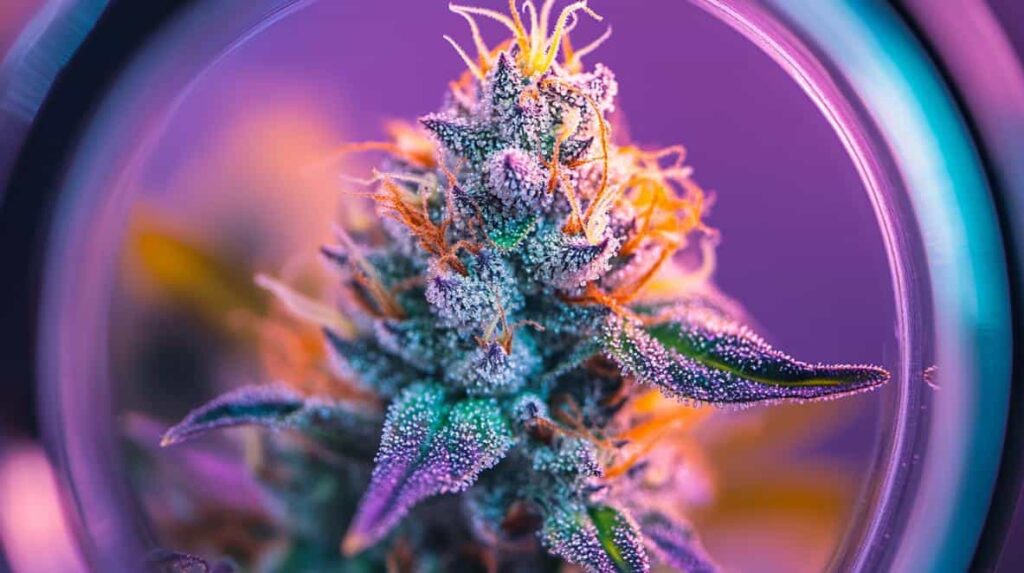
Vaporized flower and oral oils follow completely different pathways through the body, creating vastly different therapeutic experiences. Vaporized cannabis flower heats cannabinoids like THC and CBD to temperatures that release active compounds without combustion. Patients inhale this cannabinoid-rich vapor directly into the lungs, where the compounds rapidly absorb into the bloodstream, bypassing liver metabolism entirely. This pulmonary route produces effects within 1-5 minutes, making it invaluable for acute symptom management like breakthrough pain, sudden anxiety, or severe nausea. A patient experiencing unexpected neuropathic pain flare-ups can achieve rapid relief, potentially avoiding emergency room visits. Peak effects occur within 15-30 minutes, lasting 2-4 hours in a concentrated therapeutic window.
Oral cannabis oils travel through the digestive system before absorption, subjecting cannabinoids to extensive liver metabolism. Hepatic enzymes convert THC into metabolites, particularly 11-hydroxy-THC, which proves more potent and longer-lasting than the original compound. This creates different psychoactive and therapeutic properties. Effects begin 30 minutes to two hours after ingestion, sometimes longer depending on metabolism, gut function, and stomach contents. Duration extends 6-8 hours, occasionally reaching 12 hours. This sustained action benefits chronic conditions requiring continuous relief like persistent pain, multiple sclerosis spasticity, or chronic insomnia.
The delayed onset creates risks. Patients might take an initial dose, feel nothing after an hour, then take another dose. Hours later, both doses activate simultaneously, creating overwhelming effects. This emphasizes the critical need for structured dosing approaches with oral formulations and extensive patient education about timing and patience.
“The rapid onset of vaporized cannabis can be a critical factor for patients managing acute symptoms, offering immediate relief that oral formulations cannot match, fundamentally shaping how patients approach their symptom management strategies.”
Dosing Precision and Bioavailability
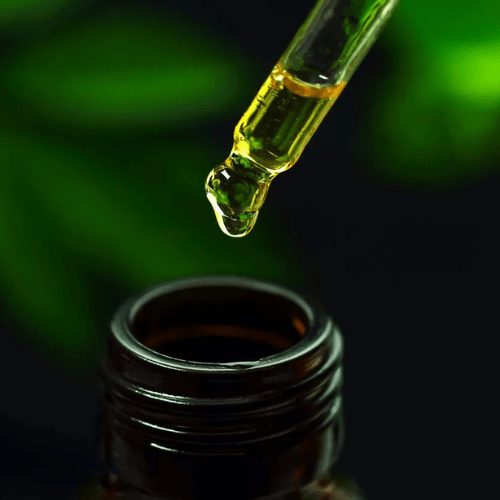
Prescribed cannabis oils arrive with precise cannabinoid concentrations clearly labeled, such as 10mg/mL THC or 20mg/mL CBD, allowing measured dosing with calibrated droppers or syringes. Vaporized flower dosing proves more variable due to fluctuating cannabinoid content within strains, individual vaporization techniques, device efficiency and temperature settings, and varying pulmonary absorption rates. However, patients can self-titrate effectively with vaporization through rapid feedback. They take a small puff, wait minutes to assess effects, then continue if needed, stopping once desired relief occurs. This “dose to effect” approach helps patients find minimal effective doses in real-time, reducing over-medication risks.
Oral bioavailability remains low and highly variable, particularly for THC. Individual metabolic rates, food presence (which can significantly boost absorption), oil formulation specifics like MCT carrier oils, and genetic liver enzyme variations all influence absorption. Studies show oral THC bioavailability ranging from 6% to 20% between individuals, making therapeutic prediction challenging for patients and prescribers. This unpredictability requires cautious, slow titration with oral oils.
Vaporization bypasses digestive and liver metabolism, offering higher, more consistent bioavailability through direct systemic absorption. While inhalation technique still affects absorption amounts, the pathway remains more direct and less subject to metabolic degradation, creating more reliable onset and intensity compared to oral ingestion.
Patient Control and Therapeutic Windows
Patient control over therapeutic experiences significantly influences treatment satisfaction and adherence. Vaporization allows patients to achieve desired effects with smaller product quantities while quickly adjusting intake based on fluctuating symptoms. This “dose to effect” capability provides immediate feedback, enabling fine-tuned treatment. A chronic pain patient might use small amounts of vaporized flower during unexpected pain spikes, achieving rapid relief without committing to long-lasting effects that might interfere with later activities. This immediate feedback empowers patients, creates treatment agency, and potentially reduces overmedication risks.
The shorter duration means undesirable effects like excessive sedation or anxiety dissipate within hours rather than persisting, providing greater safety and reversibility feelings. Patients report confidence knowing effects will fade quickly if problems arise.
Oral oils provide sustained effects but less immediate control. Once ingested, effects manifest and persist for hours, making dose adjustments difficult if initial amounts prove too high or low. This requires careful initial titration under medical guidance, often starting with very low doses like 0.25mL of low-concentration oil and gradually increasing by small increments over days or weeks until optimal therapeutic windows emerge.
An insomnia patient beginning oral oil treatment might start with tiny bedtime doses. If ineffective, they increase slightly the next night, continuing this slow process until finding doses that provide restful sleep without morning grogginess. Patient education about delayed effects, patience importance, and potential cumulative effects proves crucial for safe, effective use, preventing frustration or adverse events.
Regulatory and Practical Considerations
Australia tightly regulates both vaporized cannabis flower and oral oils. Both formats require prescriptions through the Therapeutic Goods Administration’s Special Access Scheme (SAS) or Authorised Prescriber (AP) pathways. Unlike other countries, Australia has no legal storefront dispensaries or recreational markets nationally. All medicinal cannabis products dispense exclusively through pharmacies, ensuring controlled supply chains. This regulatory framework subjects all products to rigorous quality control, contaminant testing, and accurate cannabinoid profiling, providing high patient safety and product reliability levels. Format choices become medical decisions made through close doctor consultation, considering patient conditions, symptom profiles, lifestyles, and treatment goals.
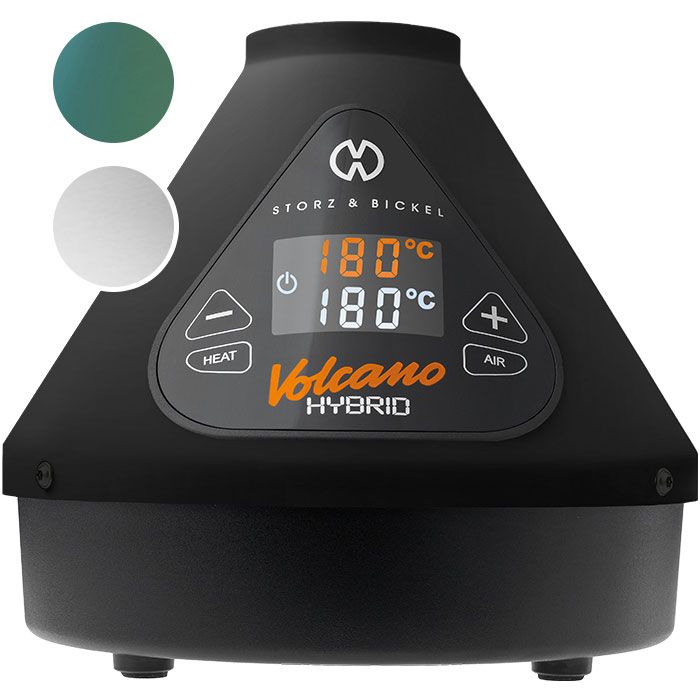
Practical usage aspects vary significantly between formats. Vaporized cannabis flower requires medical-grade vaporizer devices representing additional upfront costs ranging from hundreds to over a thousand dollars for quality units. These devices operate at precisely controlled temperatures releasing cannabinoids without combustion, minimizing harmful byproduct inhalation associated with smoking. Patients need education on proper device maintenance and usage for efficacy and safety.
Oral oils prove simpler to administer, requiring no additional equipment beyond supplied droppers or syringes. They can be taken discreetly, often indistinguishable from other liquid medications. Discretion matters significantly for many patients; oral oils are less conspicuous in public or workplace settings compared to vaporizing devices, which despite producing vapor rather than smoke, can draw attention and carry stigma.

Storage requirements differ between formats. Oils often require refrigeration after opening, while flower needs airtight containers in cool, dark places to maintain potency and freshness. Cost considerations also vary, with flower typically requiring smaller quantities per dose due to higher bioavailability, while oils provide longer-lasting effects per dose despite lower absorption rates.
“The choice between vaporized flower and oral oils often balances the immediate need for rapid symptom relief against the desire for sustained, longer-lasting effects, reflecting a deeply personal decision guided by medical expertise.”
Clinical Applications and Patient Preferences
Different medical conditions often favor specific delivery methods based on symptom patterns and patient needs. Acute conditions like breakthrough pain, panic attacks, or sudden nausea episodes typically respond better to vaporized flower due to rapid onset capabilities. Patients can address symptoms immediately without waiting hours for relief. Chronic conditions requiring sustained management, such as persistent pain syndromes, muscle spasticity, or sleep disorders, often benefit more from oral oils providing extended therapeutic coverage.
Patient lifestyle factors heavily influence format preferences. Working professionals might prefer oral oils for discretion and sustained effects that don’t require repeated dosing during work hours. Patients with respiratory sensitivities might avoid vaporization despite its advantages. Elderly patients often find oral oils easier to manage, while younger, tech-savvy patients might prefer the control and immediacy of vaporization devices.
Economic factors also influence decisions. While vaporizers require upfront investment, flower products might prove more cost-effective long-term due to higher bioavailability requiring smaller quantities. Oral oils, despite lower bioavailability, provide longer-lasting effects that might reduce total daily medication needs for some patients.
Future Directions and Considerations
The Australian medicinal cannabis landscape continues evolving as research expands understanding of optimal delivery methods for specific conditions. Emerging formulations like sublingual sprays and transdermal patches may provide additional options bridging gaps between current formats. Ongoing clinical trials examine specific cannabinoid ratios and delivery methods for various medical conditions, potentially refining prescribing practices.
Patient education remains paramount regardless of chosen format. Understanding onset times, duration, potential interactions, and proper usage techniques ensures safe, effective treatment. Healthcare providers must stay current with emerging research and patient feedback to optimize treatment recommendations within Australia’s regulatory framework.
The decision between vaporized cannabis flower and oral oils involves complex considerations of pharmacokinetics, patient control, practical factors, and individual medical needs. Vaporized flower offers rapid onset and immediate control, making it ideal for acute symptom management and situations requiring quick titration. Oral oils provide sustained, longer-lasting effects preferred for chronic conditions benefiting from continuous cannabinoid levels. Prescribers and patients must carefully evaluate these factors alongside individual needs, lifestyle considerations, financial implications, and personal preferences to determine appropriate delivery methods within Australia’s regulated medical cannabis system. Continued research refines understanding of format nuances, informing evidence-based prescribing practices and enhancing patient outcomes in this rapidly advancing medical field. This comprehensive approach ensures patients receive tailored, effective, and safe treatment, optimizing their therapeutic journey with medicinal cannabis.